Kindred Notes
Letters for women learning to live softer

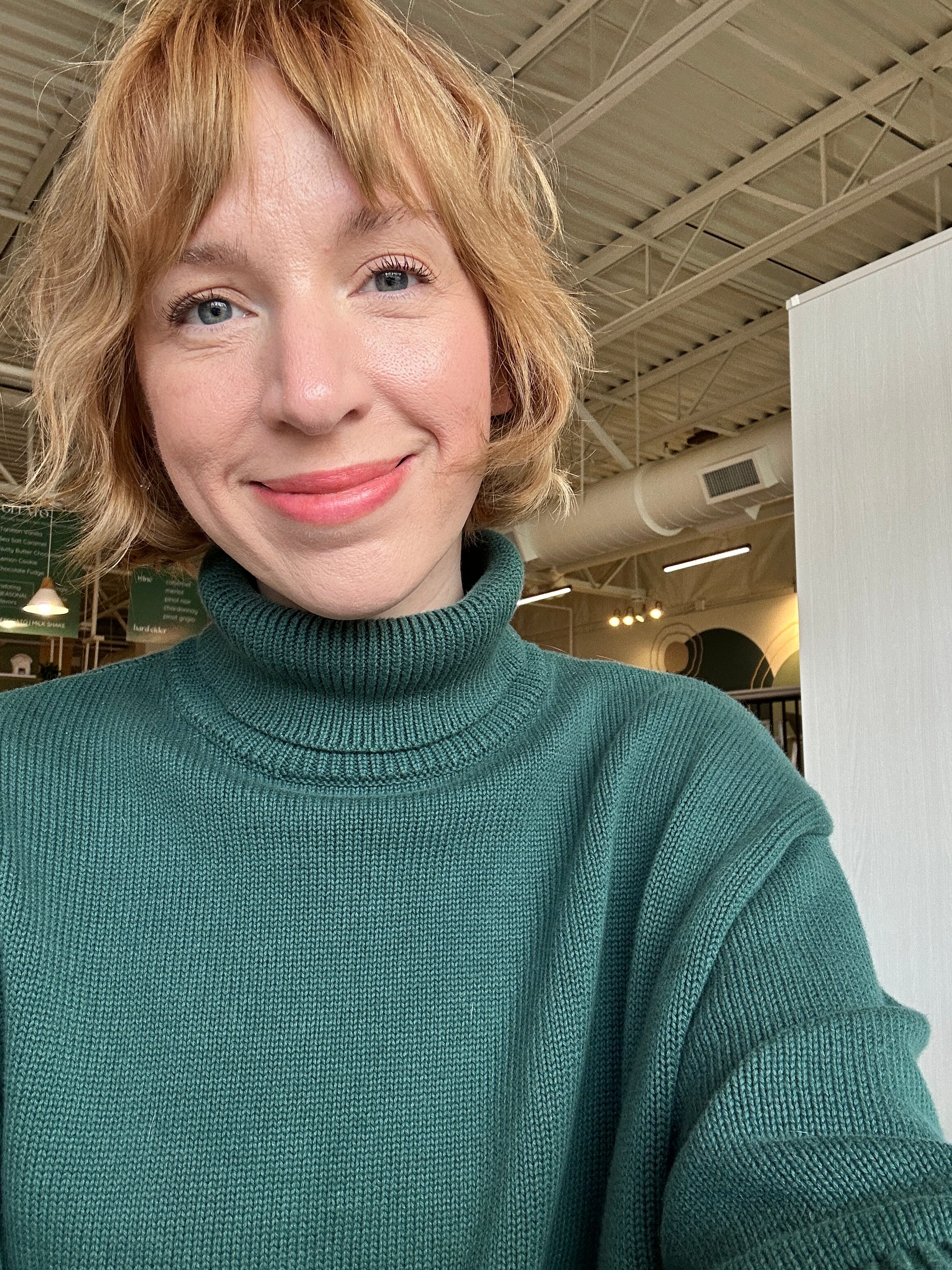
Welcome to Kindred Notes — letters for women learning to live softer.
If your days look fine on paper but feel like walking through water, you’re not alone.
Most of us were taught to perform “fine” inside systems that were never built for our brains or bodies. Kindred Notes is a space for unlearning that, and finding ways to live in rhythm with yourself again.
In each issue, we explore what’s happening in our nervous systems beneath the surface of everyday life, from family dynamics to friendship, motherhood, grief, work, and everything in between.
This first edition is a little longer than usual because I wanted to give you the full experience: nervous system insights, grounding tools, reflections on pop culture, a playlist, a few things I’m loving lately, and a ritual to land the month gently.
Moving forward, subscribers will receive two letters each month:
→ Kindred Notes: a long-form essay to help you soften your fight, unhook from urgency, and return to yourself
→ Pop Culture, Regulated: a mid-month breakdown of what we’re watching, reading, or scrolling through, and how our nervous systems show up inside it all
This first one’s about what happens when our “fight” response shows up at family gatherings, and what our bodies are really trying to say when they do.
Every month, I will make an accompanying playlist to listen to while you read and enjoy all month long:
A Note from Me
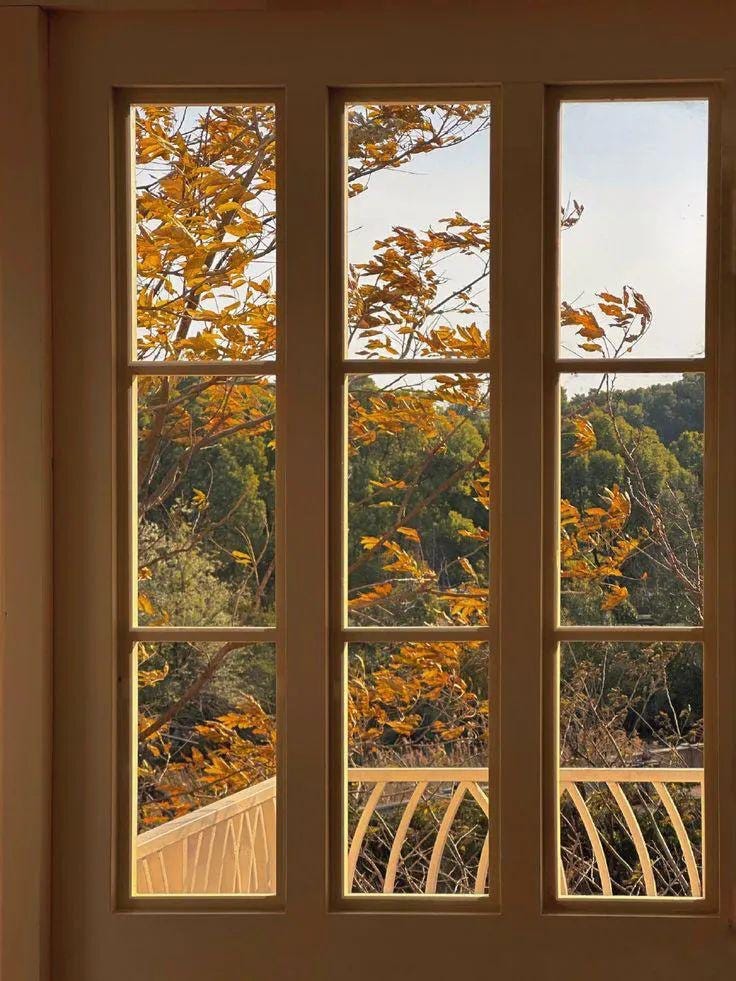
We moved into our home eight years ago this month, and I still remember cooking in our kitchen the first few times. Seeing the kitchen windows fog up whenever we cooked a warm meal made it feel like we were in a snow globe. Despite the dampness, the yellow leaves and the heated blankets make up for every bit of it, and I’m leaning in hard this year. Doubled up socks and all.
Maybe that’s why November feels like an emotional fog too: cozy, complicated, and asking us to pay attention.
It’s a season that holds so much at once.
This season asks us to hold opposites: warmth and cold, gratitude and grief, connection and conflict. I think our nervous systems feel it too.
As we enter another busy season of celebration, we’re also holding the weight of the current political climate, the injustices faced by our neighbors, and the assaults on so many people’s basic needs. It’s more than any brain can make sense of. Our minds and bodies live in constant tension as we’re asked to process more information than previous generations ever had to, especially with bad news arriving through our screens around the clock.
Add to that the strain of seeing family members who believe differently, and that tension can boil over in a blink. When someone’s fear spills over as blame or villainization of others, it can leave everyone feeling unsafe and reactive. Let’s talk about how that shows up at family gatherings.
Before we can meet that tension with compassion, it helps to understand what’s actually happening inside us.
For me, that means walking into family gatherings already bracing, ready to ‘fight’ for safety. What does that look like, you might ask:
In the moment, this can look like over-explaining, dry humor, or sarcasm.
Inside your brain, this can look like replaying the argument hours later. Fixating on the injustice of a situation and feeling consumed by it. This can also look like mentally mounting your argument of defense.
In your body, the fight state looks like a clenched jaw, leaning forward, chest heat, or body buzziness (technical term), or fast-talking.
In parenting, this looks like over-controlling the kids, hyper-responsibility, or getting into a fight with your spouse about logistics.
The fight state is so rarely about desiring dominance; it’s about controlling the situation to stay safe. “If I can manage this moment, I will be safe.”
So before we judge ourselves for tightening our grip, it’s worth remembering, this is our brain’s way of trying to keep us safe.
Our only goal is to notice these signs in ourselves this year. The moments when our shoulders lift, our words speed up, or we start cranking down the control on our kids.
This bit of awareness is a starting place. Our nervous systems can begin to remember that safety isn’t something we have to earn by control; we can return to safety by noticing.

Your Brain in Fight Mode (the science behind it)
When our bodies sense danger, real or perceived, our brains aren’t fishing out inaccurate thoughts. The brain’s alarm center, the amygdala, starts driving. While it’s speeding down the road, it dials 911 to get the hypothalamus on the phone. The hypothalamus is in charge of keeping us alive. The minute it gets word of a threat, it switches our bodies from “rest” mode to “ready” mode.
At this point, the guys down at the sympathetic nervous system take over the show. We’re then flooded with adrenaline and cortisol (yes, the same one everyone blames for “cortisol face” on Instagram, but this is the actual scientific version, not the one supposedly bloating your cheeks) from the adrenal glands. Our heart rate rises, blood flows toward the big muscles, and everything in our world narrows. The body is saying, “Handle this danger now.”
Meanwhile, over at the prefrontal cortex, the part responsible for reasoning and empathy, they’re taking a nap. This is why we can’t use logic to talk ourselves out of the feeling of emergency. Connection can wait until we’re sure we’ll survive this moment.
It’s not weakness or overreaction; it’s the biology of protection. And knowing that can soften how we see ourselves when we spiral.
This is where our bodies need a disruption, a soft tone, a deep exhale, or some sign of safety, to begin the process of reminding ourselves we’re not in danger. It can start with exactly what we talked about above. Even a simple noticing of what our body is ramping up for can interrupt this process and remind us that we’re safe.
When we use something like a deep exhale, our vagus nerve helps bring us back online, allowing us to access the prefrontal cortex again. Our heart rate slows, digestion starts back up, and the parasympathetic nervous system takes over.
Think about this entire process and all our bodies are doing to protect us when they sense danger, and we wonder why we lose ourselves in arguments.
Once we see how much our bodies are doing to defend us, it’s easier to meet ourselves with tenderness instead of judgment.
The Practice
So what do we actually do when we catch ourselves mid-fight? We bring the body back online, gently.
When you notice yourself in the fight state, do two things:
1. Literally step back and widen your gaze and the viewpoint of the room. This can help activate the parasympathetic nervous system
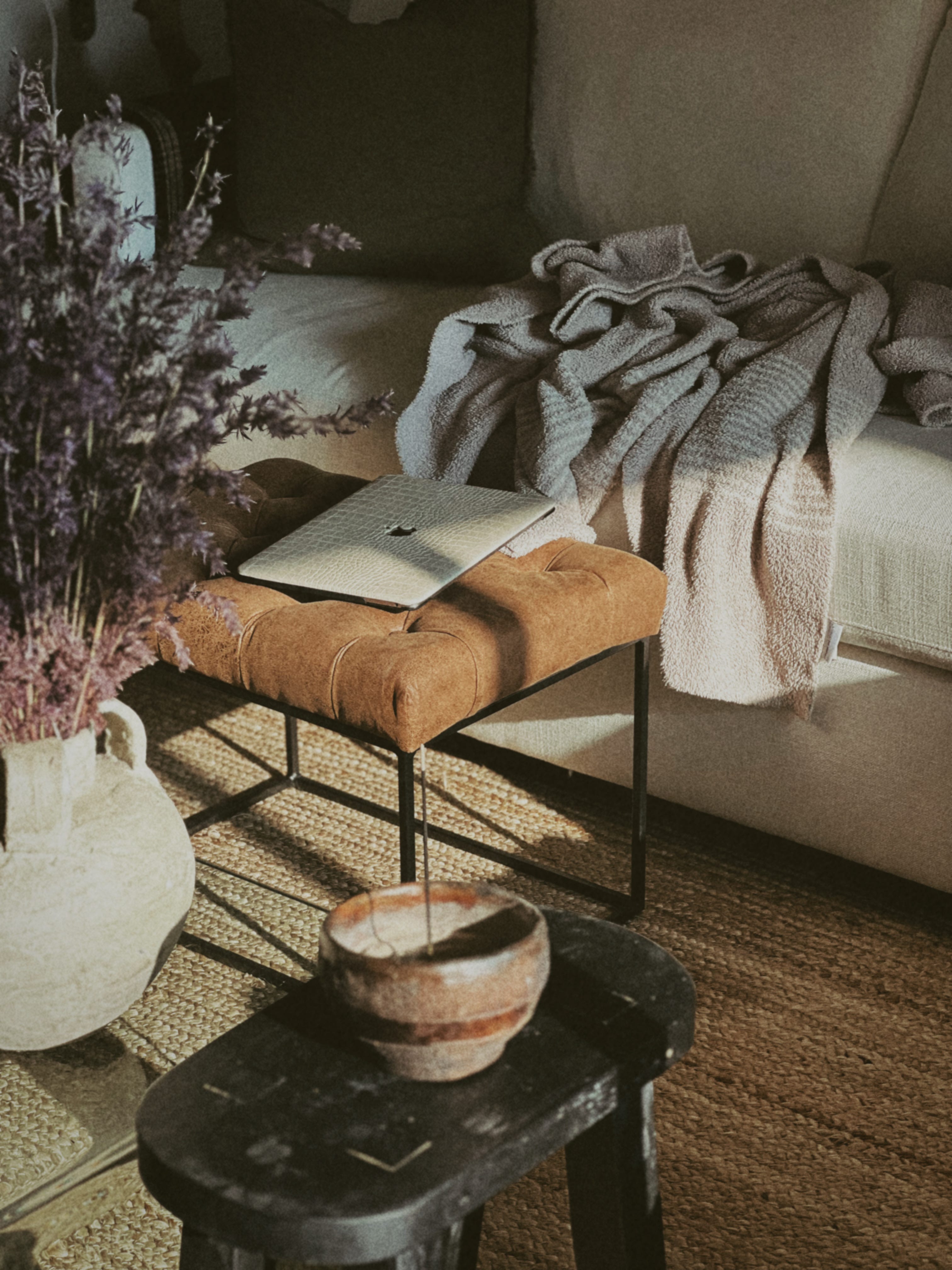
2. Then focus on a texture for 10 seconds, a warm mug, a soft blanket, or the feeling of your jeans.
Sometimes that’s all it takes to interrupt the cycle, not a deep revelation, just a deep breath.
And speaking of grounding into the body, let’s talk about something a little lighter.
Pop Culture, Regulated
Welcome to Pop Culture, Regulated, my favorite corner of Kindred Notes, where nervous system science meets what we’re actually watching, reading, and talking about.
Because the stories we consume shape our nervous systems, too. How we relate to characters on screen tells us more about ourselves than most textbooks ever could.
Each month, I’ll take something from pop culture and break down what it reveals about our need for safety, belonging, and connection, the hidden nervous system truths inside the shows, books, and moments we can’t stop thinking about.
To start us off, let’s talk about the second season of Nobody Wants This on Netflix. Here’s a two-sentence season 1 recap: Joanne lives in LA, has a podcast, and is single. Noah lives in LA, is a rabbi, and is also single. They meet. The first season is about whether Joanne and Noah can make a relationship work when they come from very different backgrounds, and Noah’s work has some implications that affect every area of their relationship.
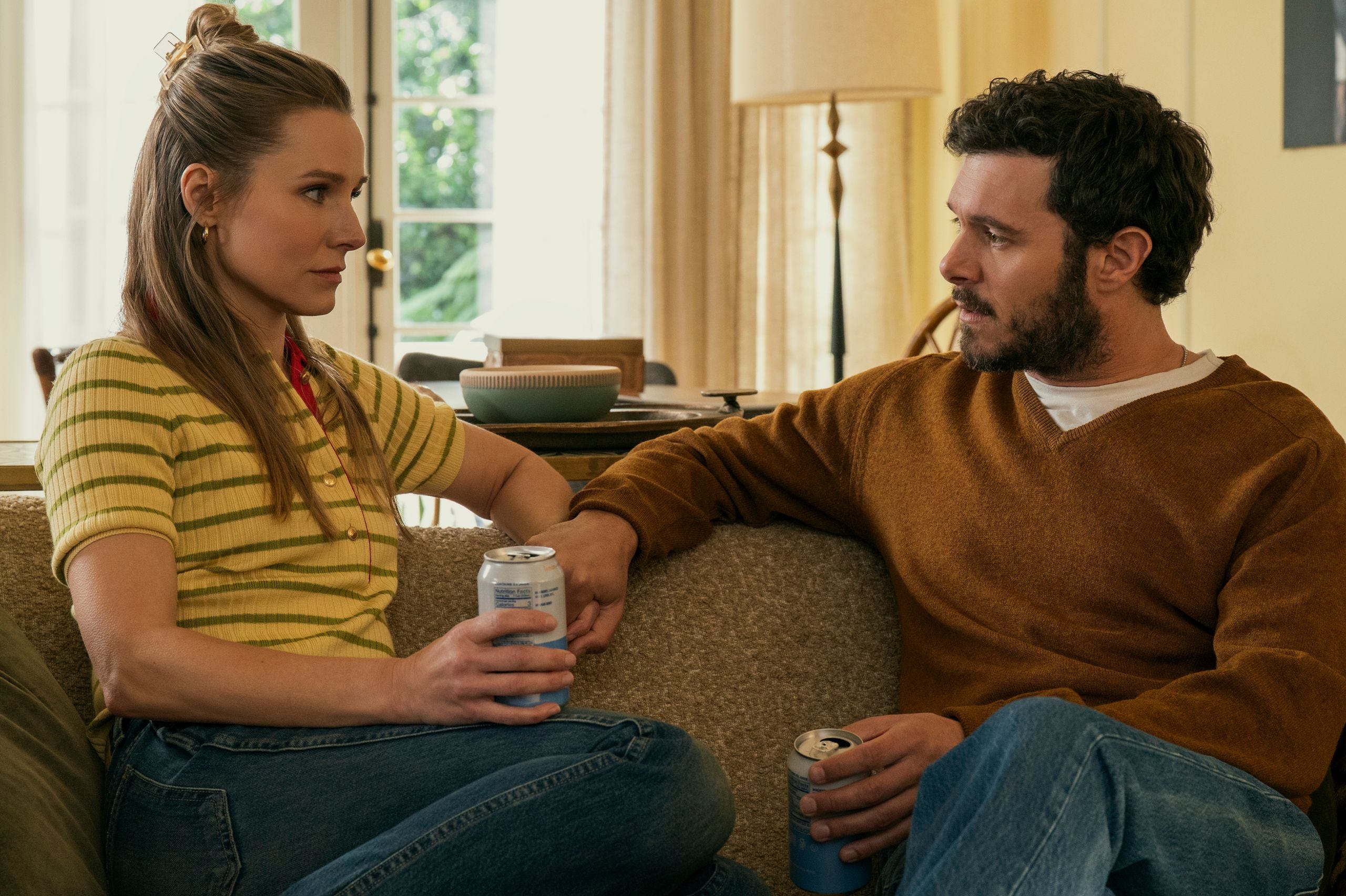
(There are no season 2 spoilers below.)
Season 2 opens with Noah and Joanne together and merging their lives. Joanne is still unsure about converting to Judaism, and that is the theme of the entire season: Joanne not wanting to place a timeline on her spiritual journey, but without a timeline, it seems they can’t move forward with their relationship.
How does the fight state of the nervous system relate to this show, you might ask? In Nobody Wants This, the fight state isn’t about yelling or conflict; it’s the subtle ways people protect themselves when love feels risky. You see it in sarcasm, over-explaining, control, and defensiveness, all nervous-system attempts to feel safe. Every character is fighting not to win, but to stay connected without abandoning their identities.
Joanne:
Joanne lives in a fight state. She uses charm, humor, and intellect as a disguise for her desire for safety, but it’s very much there. She uses sarcasm to stay a step ahead of vulnerability as a means of trying to control the conversation. You can see her scanning every situation for imbalances, seeking to be understood and keep her power. If she feels the power imbalance shift away from her, she sharpens. Joanne’s fight response is pre-emptive, staying safe by staying in charge.
Noah:
Noah lives in a very different type of fight state. His nervous system hides behind calm reasoning and emotional restraint. Noah doesn’t lash out; he intellectualizes. When things are uncertain, he turns to logic. He doesn’t show fear; he describes it in words. His fight response looks like control through debating and sermonizing. He is trying his hardest to keep emotional chaos at bay.
Together:
Joanne and Noah keep crashing into each other because they’re both protecting what feels safe to them. Joanne’s protecting stability, she’s finally found something that looks like normal, and she’ll fight to keep it. Her sarcasm, her defensiveness, all of it comes from that need to stay grounded. Noah’s protecting meaning, his faith, his sense of order, the structure that holds his life together. When things get messy, he tries to reason his way back to calm. They’re both fighting for love, just in totally different languages: she fights by holding on, he fights by keeping things clear. And sometimes those two kinds of safety just don’t fit neatly in the same room.
What I love about Nobody Wants This is that it isn’t a story about people falling apart; it’s about people trying to stay. It’s about what happens when two nervous systems want the same thing, just in different ways. Joanne and Noah are both fighting for love, for safety, for something that feels solid. They just keep missing each other in the process. But underneath all the sarcasm and logic, they’re saying the same thing: please don’t leave while I figure this out.
After all that emotional excavation, let’s land somewhere cozy, books, candles, and a little local joy.
I read a lot of heavy books for my degree program, so when I lie down at night, I’d like to escape a bit.
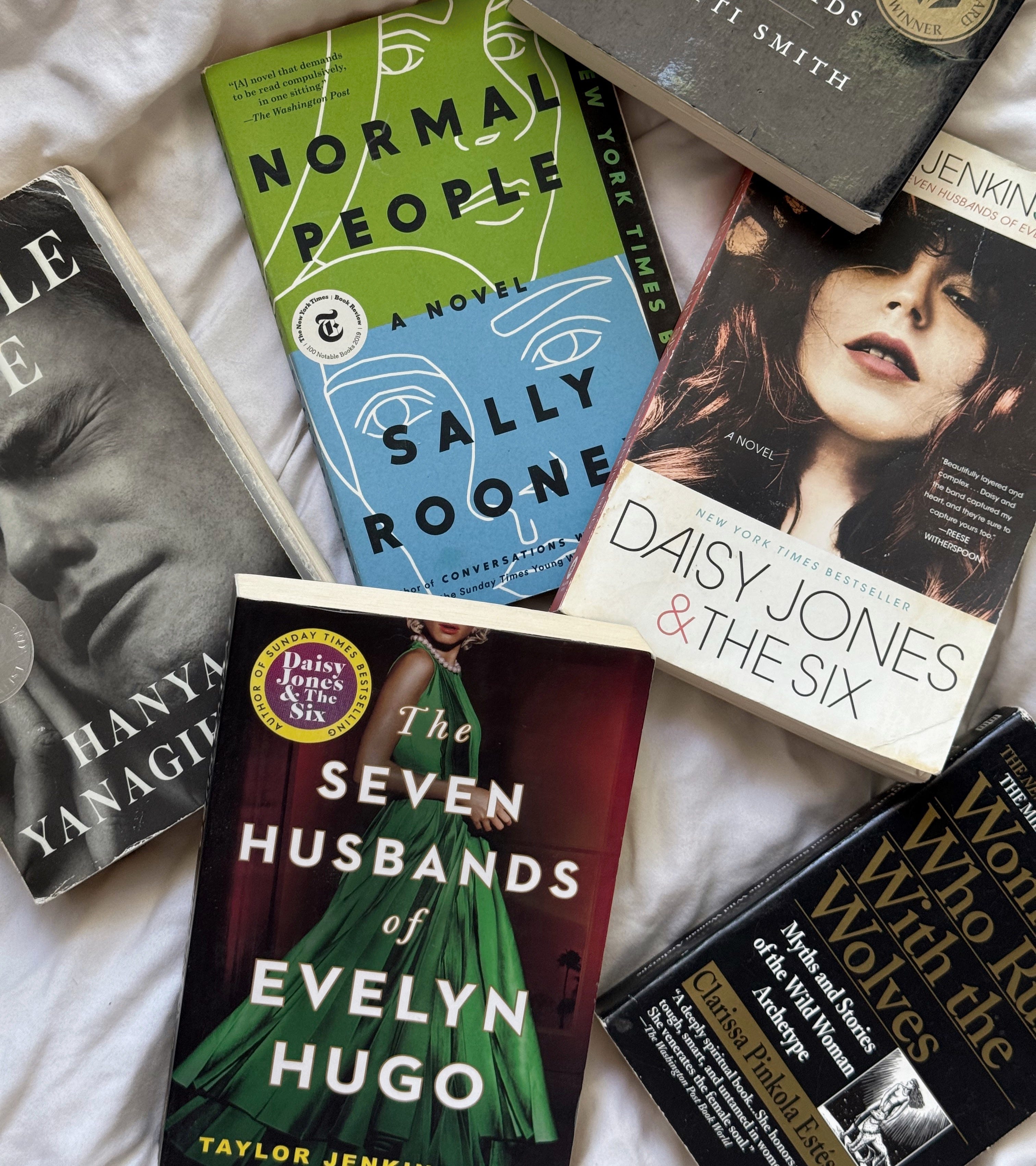
This month I read and loved: Atmosphere by Taylor Jenkins Reid, which led me to finally circle back to The Seven Husbands of Evelyn Hugo (also by Taylor Jenkins Reid). I thought I didn’t like Evelyn Hugo, but for whatever reason, when I tried it this time, I loved it. I also really adored a memoir I read earlier this month, Awake by Jen Hatmaker,
Currently Reading: Broken Country by Clare Leslie Hall, and just starting Wild Dark Shore by Charlotte McConaghy (waiiiiiit coming back while editing, and need you to read this! It’s AMAZING).
And because nervous system care also means surrounding ourselves with things that feel good in our bodies..
So..I bought a ton of clothes last year, so this year I’m making a concerted effort not to buy very many clothes. But..Marie.

Marie is located right by my office, and I adore Bethany, who owns the shop. She sources amazing, curated thrifted finds and also has new clothing.


As we know, cotton is a must for me, sensory-wise, and this cotton rugby shirt and cotton sweater are so soft, slouchy, and easy. Highly recommend. I bought them this weekend, and I’ve already washed and dried them (the sweater was a little big, so I wanted it to shrink a bit.)


This candle is my all-time favorite candle brand, Hazeltine. My favorite scent of theirs is Pasadena, but I recently bought Weekend Lover, named for the musician, Prince. It’s very purple rain, velvet vibes. I’ve taken little bits of the wax and used it like perfume since I got it, if that tells you anything. These would be great Christmas gifts, and they’re from a local small business, which we LOVEEEEEE.
Go check her out here. And to welcome Kindred Notes readers, Bethany has given us a promo code: KINDRED10 for 10% off your first online order.
And if you’re local, go see Bethany at Shop Marie!
Closing Ritual
Let’s end here together.
This season can stir up old patterns and tender edges, but maybe warmth isn’t about getting every conversation ‘right’, maybe it’s just about being there, and noticing new ways you can arrive.
I hope you come back to this playlist over the next month, and that it feels like a hand extended as we move through the world.
So cue up the playlist, text a friend who feels like home, and tell me:
What’s helping you feel safe and connected right now?
Let me know in the comments; I’ll be reading every single one with a hot cup of coffee.
Meet me here, friends. Tell me your thoughts. Fight state, Nobody Wants This, favorite candle, tell me everything.